

Introduction
Modern enterprise networks generate enormous volumes of traffic across data centers, cloud environments, high-speed links, AI infrastructure, and distributed applications. Security and monitoring tools need access to this traffic, but sending every packet directly to every tool can create unnecessary processing loads, duplicate data, tool overload, and higher infrastructure costs.
A network packet broker architecture provides a centralized traffic optimization layer between network traffic sources and monitoring or security tools. It aggregates traffic from Network TAPs, SPAN ports, virtual environments, and other sources, then filters, deduplicates, load-balances, aggregates, and distributes the right packet data to the right destination.
This architecture is becoming increasingly important as organizations deploy 100G and higher-speed networks, hybrid cloud infrastructure, distributed applications, AI workloads, and more security and observability tools.
In a modern network visibility architecture, the basic flow is:
Network Traffic → Network TAPs / SPAN → Network Packet Broker → Traffic Optimization → Monitoring & Security Tools → Network Visibility & Intelligence
The role of the packet broker is no longer simply to move packets from one location to another. It has become an important control point for network visibility, packet capture, security monitoring, network packet analysis, and traffic intelligence.
What Is a Network Packet Broker Architecture?
A network packet broker architecture is a structured approach for collecting network traffic from multiple sources, optimizing that traffic, and distributing selected packets to monitoring, security, packet capture, and observability tools.
A network packet broker acts as an intelligent traffic distribution layer between network infrastructure and monitoring systems.
Instead of connecting every monitoring tool directly to every traffic source, organizations can centralize traffic management through the packet broker.
A typical architecture looks like this:
Network Traffic Sources
- Data center switches
- Routers
- Network TAPs
- SPAN ports
- Cloud and virtual networks
- AI infrastructure
- East-west traffic
- North-south traffic
Network Packet Broker
- Traffic aggregation
- Packet filtering
- Packet deduplication
- Traffic replication
- Load balancing
- Packet slicing
- Header stripping
- Tool traffic management
Monitoring & Security Tools
- Packet capture appliances
- Network monitoring
- NDR
- IDS/IPS
- SIEM
- Application performance monitoring
- Network analysis
- Security analytics
- Observability platforms
This architecture allows each tool to receive the traffic it actually needs instead of processing the entire network traffic stream.
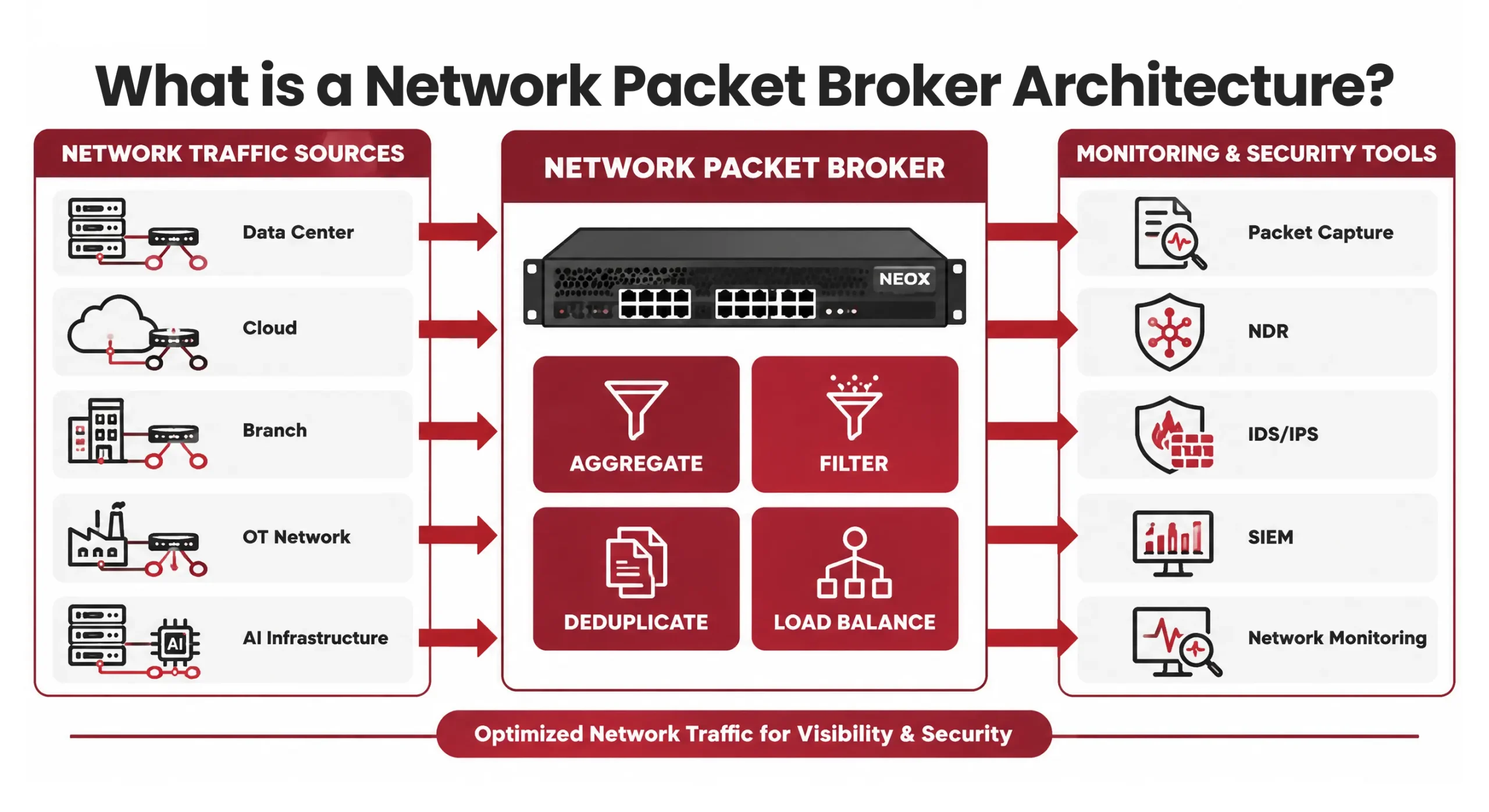
Diagram 1 : Aggregates and optimizes network traffic.
Why Is Network Packet Broker Architecture Important?
Traditional monitoring architectures often connect individual tools directly to network traffic sources. This approach becomes difficult to manage as the number of tools, traffic sources, and network speeds increases.
For example, an organization may need to send traffic to:
- A packet capture appliance for network forensics
- An NDR platform for threat detection
- An IDS for security inspection
- A network monitoring platform for performance analysis
- A SIEM for security correlation
- An application monitoring platform for troubleshooting
Sending all traffic to all of these systems can dramatically increase processing, storage, and licensing requirements.
A network packet broker introduces a centralized traffic optimization layer.
It can determine:
Which traffic should be captured?
Which traffic should be inspected?
Which tool needs the traffic?
How much traffic can each tool process?
Can duplicate packets be removed before delivery?
This makes the network visibility architecture more scalable and efficient.
How Does a Network Packet Broker Work?
A network packet broker typically performs four major functions:
1. Access Network Traffic
The architecture first needs reliable access to network traffic.
Network TAPs provide direct access to packets flowing across physical network links, while SPAN ports can provide mirrored traffic from network switches.
Modern architectures may also collect traffic from:
- Physical networks
- Virtual networks
- Cloud environments
- Data centers
- High-performance computing environments
- AI infrastructure
- East-west traffic
- North-south traffic
Network TAPs are particularly useful when organizations require reliable packet-level visibility because they provide a copy of production traffic without becoming dependent on switch mirroring configurations.
2. Aggregate Traffic
A network packet broker can receive traffic from multiple sources and consolidate it into a centralized traffic management layer.
For example:
TAP 1 + TAP 2 + TAP 3 + SPAN + Cloud Traffic → Network Packet Broker
This prevents organizations from creating separate point-to-point connections between every traffic source and every monitoring tool.
3. Optimize Packet Data
Once traffic reaches the packet broker, it can be processed according to monitoring requirements.
Common packet optimization functions include:
- Packet filtering
- Packet deduplication
- Traffic aggregation
- Load balancing
- Traffic replication
- Packet slicing
- Header stripping
- Flow-based distribution
These functions reduce unnecessary traffic and help monitoring tools concentrate on relevant network data.
4. Distribute Traffic to Tools
The optimized traffic is then delivered to the appropriate destination.
For example:
Security Traffic → NDR / IDS
Full Traffic → Packet Capture Appliance
Application Traffic → Performance Monitoring
Relevant Events → SIEM
Selected Traffic → Network Analysis
This creates a controlled and scalable traffic delivery architecture. NEOX describes this model as consolidating traffic, centralizing monitoring policies, and reliably delivering network data to performance and security tools.
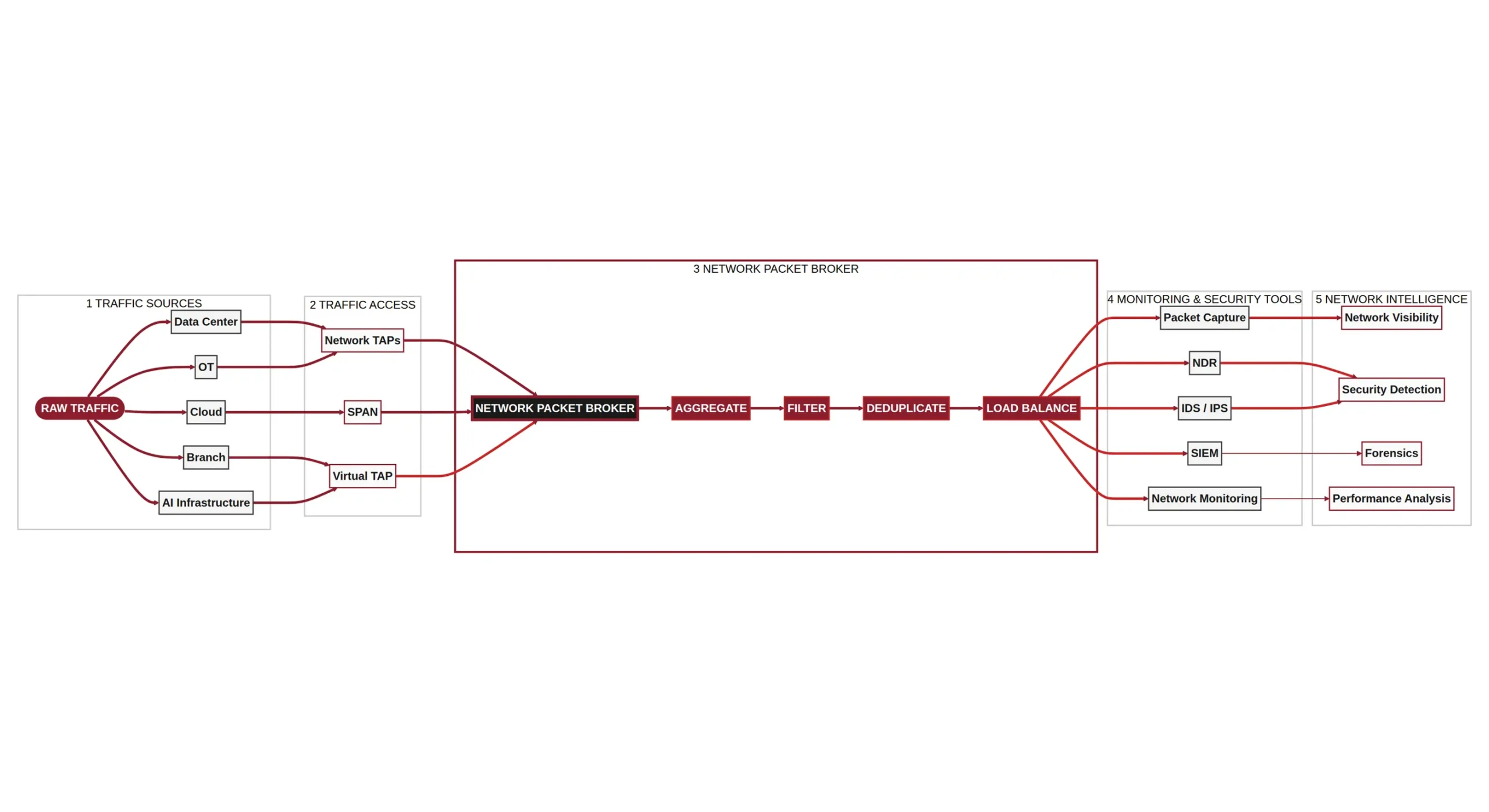
Diagram 2 : Traffic flows from sources to monitoring tools.
Network Packet Broker vs Network TAP
Network TAPs and network packet brokers perform different functions and are normally complementary rather than competing technologies.
Network TAP | Network Packet Broker |
Provides access to network traffic | Manages and optimizes traffic |
Copies packets from network links | Aggregates traffic from multiple sources |
Provides raw packet visibility | Filters and distributes packet data |
Usually deployed at traffic access points | Usually deployed between traffic sources and tools |
Supports reliable traffic access | Supports centralized traffic management |
Feeds monitoring infrastructure | Feeds multiple monitoring and security tools |
A simple way to understand the difference is:
Network TAP = Access
Network Packet Broker = Direct
Packet Capture = Record
Security & Monitoring Tools = Analyze
This layered architecture is also consistent with NEOX’s broader PacketOps approach of Accessing, Directing, Recording, and Protecting network traffic.
Why Packet Filtering Matters in Network Packet Broker Architecture
Not every monitoring tool needs every packet.
A network packet broker can apply filtering policies to send only relevant traffic to a specific tool.
For example, a security platform may need:
- Traffic from specific VLANs
- Specific IP addresses
- Specific protocols
- Specific applications
- Specific ports
- Specific network segments
Meanwhile, a packet capture appliance may require a much broader traffic set for forensic investigation.
This allows one traffic source to serve multiple purposes without forcing every destination to process the same traffic.
Example
Suppose a network generates 100 Gbps of traffic.
A security tool may only need a subset of that traffic for inspection.
Instead of sending the complete 100 Gbps stream to the security platform, the network packet broker can filter the relevant traffic before delivery.
The result can be:
100 Gbps Network Traffic → Packet Broker → Relevant Traffic → Security Tool
This can reduce unnecessary processing while improving tool efficiency.
Packet Deduplication and Monitoring Efficiency
Duplicate packets are another major challenge in large network monitoring architectures.
The same traffic can potentially be observed through multiple monitoring points or network paths. If duplicate packets are delivered to monitoring tools, those tools may spend resources processing the same information multiple times.
Packet deduplication removes redundant copies before traffic reaches the destination.
This can provide several benefits:
- Lower monitoring tool workload
- Reduced packet processing
- More efficient packet capture
- Lower storage requirements
- Better use of monitoring infrastructure
- Improved scalability
For full packet capture environments, deduplication can also help organizations manage storage growth while maintaining useful packet-level visibility.
NEOX packet broker architectures include deduplication and other traffic-processing capabilities designed to optimize packet delivery to monitoring and security tools.
How Network Packet Brokers Prevent Monitoring Tool Overload
Monitoring tools have processing limits.
A tool may support a particular throughput level, but network traffic can exceed that capacity during peak periods.
A packet broker can help distribute traffic across multiple monitoring tools using load balancing.
For example:
100 Gbps Traffic
↓
Network Packet Broker
↓
Tool 1: 25 Gbps
Tool 2: 25 Gbps
Tool 3: 25 Gbps
Tool 4: 25 Gbps
This approach can increase monitoring capacity without requiring one tool to process the entire traffic stream.
Load balancing therefore becomes particularly important as organizations move toward:
- 25G
- 40G
- 100G
- 200G
- 400G
and beyond.
Network Packet Broker Architecture for Security Monitoring
Security teams increasingly depend on network packet data for threat detection, investigation, and incident response.
A packet broker can create a centralized traffic delivery layer for security tools.
A typical security architecture can include:
Network TAPs
↓
Network Packet Broker
↓
IDS / NDR / SIEM / Packet Capture
This architecture allows different security systems to receive the traffic they need.
For example:
IDS/NDR
Receives selected traffic for real-time threat detection.
SIEM
Receives relevant security events and telemetry.
Packet Capture Appliance
Records packet-level evidence for historical investigation.
Network Forensics
Uses historical packet data to reconstruct and analyze incidents.
This is particularly important because security investigations often require more than an alert. Analysts may need the underlying network packet data to understand what actually happened.
NEOX uses this broader architecture to provide packet and flow visibility to NDR, SIEM, IDS, packet capture, and other security systems.
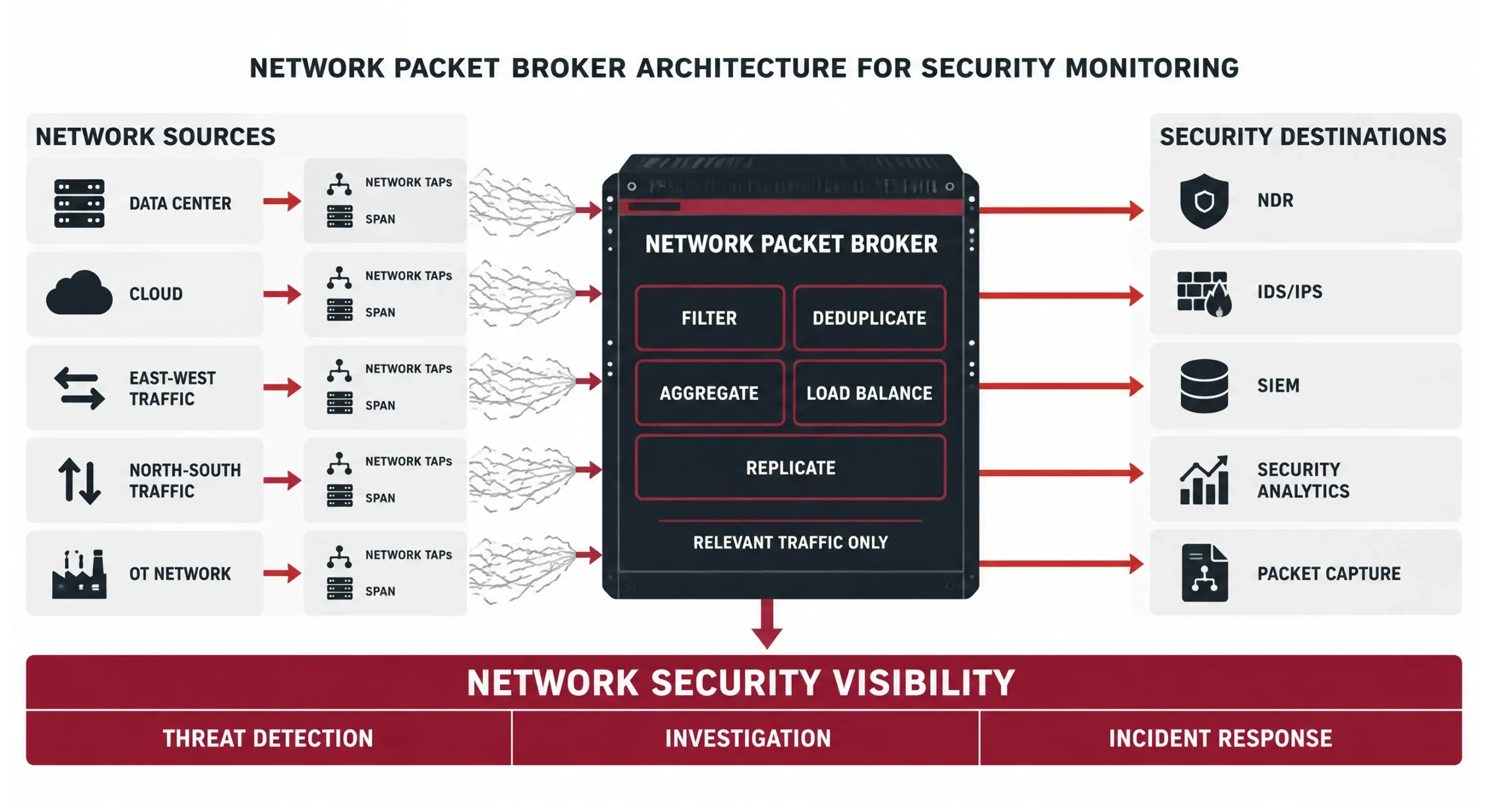
Diagram 3 : Delivers relevant traffic to security tools.
Network Packet Broker Architecture for Full Packet Capture
Full Packet Capture requires reliable access to network traffic and sufficient storage and processing capacity.
A typical architecture is:
Network TAP → Network Packet Broker → Packet Capture Appliance → Packet Analysis
The packet broker can filter, aggregate, and optimize traffic before sending it to the capture system.
This creates several advantages:
- Centralized traffic access
- Efficient capture workflows
- Reduced unnecessary traffic
- Better storage utilization
- Scalable monitoring
- Multiple capture sources
- Easier traffic management
NEOX’s full packet capture architecture similarly combines Network TAPs, packet brokers, packet capture appliances, and analysis platforms to create a broader packet visibility ecosystem.
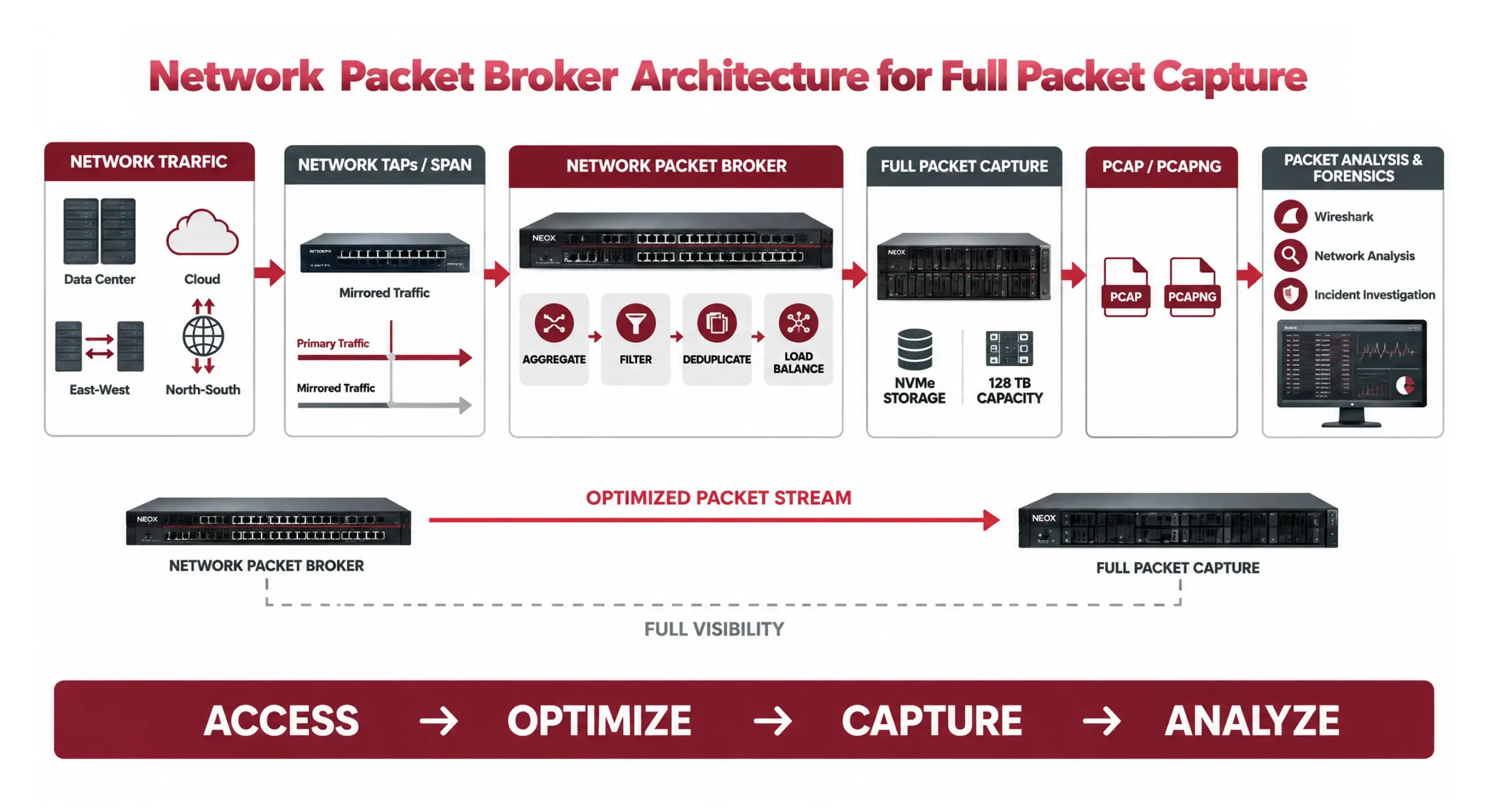
Diagram 4 : Directs selected traffic to packet capture.
How AI Is Changing Network Packet Broker Architecture
AI is becoming one of the most important forces shaping network visibility and traffic management.
The impact is occurring in two directions.
First, AI workloads are generating new network traffic patterns.
Second, AI can be used to make network traffic optimization and analysis more intelligent.
This means the network packet broker is increasingly becoming part of an architecture designed for both AI infrastructure visibility and AI-assisted network operations.
AI Workloads Are Creating New Visibility Requirements
AI infrastructure can generate highly distributed and high-volume traffic.
Training and inference environments may involve:
- GPU clusters
- High-speed Ethernet
- Storage networks
- Distributed compute
- East-west traffic
- AI application APIs
- Inference services
- Data pipelines
- Cloud AI infrastructure
As AI traffic increases, traditional monitoring approaches can struggle to provide sufficient visibility.
Recent industry discussion around AI traffic monitoring highlights the visibility challenges created by LLM applications, AI APIs, and inference infrastructure.
This makes the architecture of traffic access and traffic distribution increasingly important.
A modern AI visibility architecture can therefore look like:
AI Infrastructure → Network TAPs → Packet Broker → Packet Capture / Monitoring / Security / AI Observability
AI Can Make Packet Filtering More Intelligent
Traditional packet filtering typically relies on predefined rules.
For example:
IP = X
Port = 443
Protocol = TCP
VLAN = Y
AI can potentially introduce more dynamic approaches to traffic prioritization.
Instead of only asking:
“Does this packet match a predefined rule?”
future traffic optimization systems can increasingly ask:
“Which traffic is most valuable for this monitoring objective?”
AI-assisted systems could help identify traffic associated with:
- Anomalous behavior
- Emerging threats
- Application performance degradation
- Unusual communication patterns
- High-value workloads
- Critical infrastructure
- Suspicious east-west traffic
This creates the possibility of risk-aware or intelligence-driven packet selection.
Recent research is already exploring intelligent dynamic sampling for high-speed network security monitoring, including approaches that prioritize security-relevant traffic while reducing overall traffic volume.
The important architectural principle, however, remains that AI should complement reliable packet access rather than replace it.
AI and AIOps Need High-Quality Network Data
AI and AIOps systems are only as useful as the data they receive.
Network packet data can provide detailed evidence about:
- Application behavior
- Network performance
- User activity
- Infrastructure dependencies
- Communication patterns
- Latency
- Retransmissions
- Protocol behavior
- Security events
A network packet broker can help ensure that this data reaches the appropriate analytics systems in an efficient format.
The broader workflow becomes:
Network Traffic
↓
Network TAP
↓
Network Packet Broker
↓
Packet Filtering & Optimization
↓
Packet Capture / Network Analysis
↓
Network Visibility
↓
AI / AIOps
↓
Anomaly Detection → Root-Cause Analysis → Operational Automation
NEOX’s AIOps architecture similarly connects network traffic access, packet capture, packet analysis, network visibility, and AIOps insights.
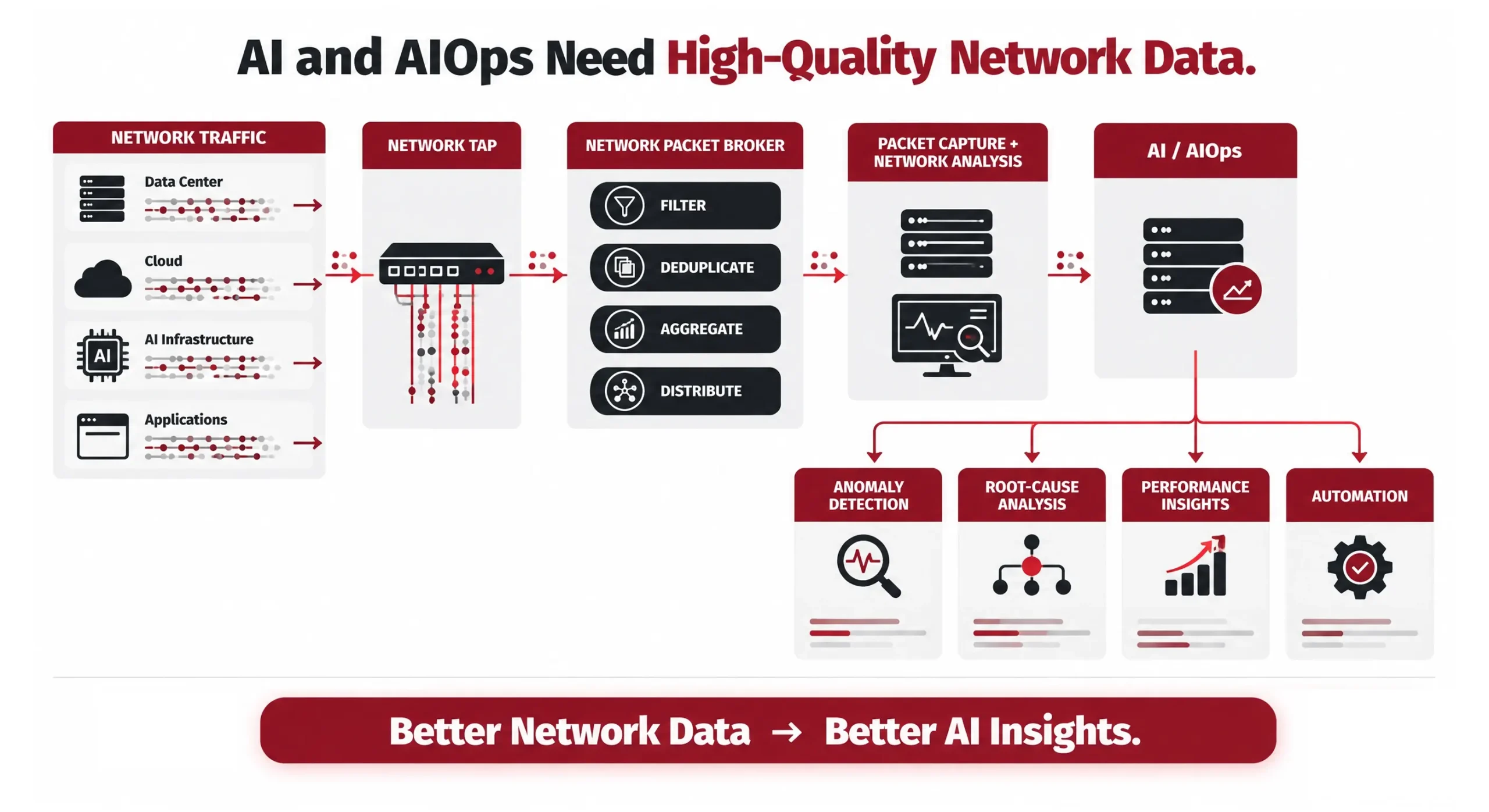
Diagram 5 : Packet Filtering for AIOps
Network Packet Brokers and AI-Driven Network Visibility
AI is also changing what organizations expect from network visibility.
Traditional monitoring often answers:
What happened?
AI-assisted observability increasingly aims to answer:
Why did it happen?
What is likely to happen next?
Which systems are affected?
What action should be taken?
This requires context.
Packet-level data can provide the underlying evidence, while analytics and AI can help correlate that information with:
- Logs
- Metrics
- Events
- Application telemetry
- Security alerts
- Infrastructure data
The packet broker sits earlier in this workflow by ensuring that high-quality network traffic reaches the systems responsible for analysis.
This makes packet brokers an important infrastructure layer for Deep Observability, AI observability, AIOps, network analytics, and cybersecurity monitoring.
The Role of Network Packet Brokers in Deep Observability
Deep Observability requires visibility beyond basic uptime and performance metrics.
It combines multiple sources of information to understand what is happening across applications, networks, infrastructure, and security systems.
Packet-level visibility can provide valuable evidence that other telemetry sources may not fully capture.
A modern Deep Observability architecture can combine:
Network TAPs
→ Access traffic
Network Packet Brokers
→ Aggregate and optimize traffic
Packet Capture
→ Preserve historical evidence
Network Analysis
→ Analyze packet behavior
Security Monitoring
→ Detect threats
AI / AIOps
→ Correlate data and generate operational insights
This is why packet brokers are increasingly becoming part of broader observability architectures rather than standalone traffic-management devices. NEOX similarly positions packet brokers alongside Network TAPs, packet capture, and observability technologies within modern visibility architectures.
Network Packet Broker Architecture for East-West Traffic
East-west traffic is especially important in modern environments because workloads increasingly communicate internally across data centers, cloud environments, Kubernetes clusters, and AI infrastructure.
North-south traffic typically describes traffic entering or leaving an environment.
East-west traffic describes communication between systems within the environment.
This traffic can include:
- Server-to-server communication
- Application dependencies
- Microservices
- Database communication
- Container traffic
- AI cluster communication
- Lateral movement
A network packet broker can aggregate traffic from strategic monitoring points and deliver relevant east-west traffic to security and monitoring tools.
This can improve visibility into communication that may otherwise remain difficult to observe.
Network Packet Broker Architecture for Hybrid Cloud
Hybrid environments introduce another challenge: network traffic is distributed across multiple locations and infrastructure types.
Traffic may exist across:
- On-premises data centers
- Private clouds
- Public clouds
- Branch locations
- Virtual environments
- Containers
- Remote users
- AI platforms
A centralized traffic-management architecture helps organizations build consistent visibility policies across these environments.
The architecture can combine physical Network TAPs, virtual traffic access, SPAN, packet brokers, packet capture, and monitoring systems.
The objective is not necessarily to send every packet everywhere.
The objective is to create the right traffic path for the right monitoring requirement.
Key Benefits of Network Packet Broker Architecture
A properly designed network packet broker architecture can provide several benefits.
1. Improved Network Visibility
Aggregate traffic from multiple monitoring points into a centralized architecture.
2. Better Packet Capture
Deliver the required traffic to packet capture appliances without unnecessary traffic overload.
3. Reduced Monitoring Tool Load
Filter and optimize traffic before it reaches monitoring platforms.
4. Lower Infrastructure Costs
Reduce unnecessary processing, storage, and tool capacity requirements.
5. Better Security Visibility
Provide security tools with relevant network traffic for threat detection and investigation.
6. Improved Scalability
Support growing traffic volumes and additional monitoring tools without redesigning the entire architecture.
7. Centralized Traffic Management
Create a centralized location for traffic policies and distribution.
8. Better AI and AIOps Data
Provide high-quality network data to analytics and AI-driven operational systems.
9. Reduced Visibility Gaps
Connect traffic access, optimization, capture, and analysis into a unified architecture.
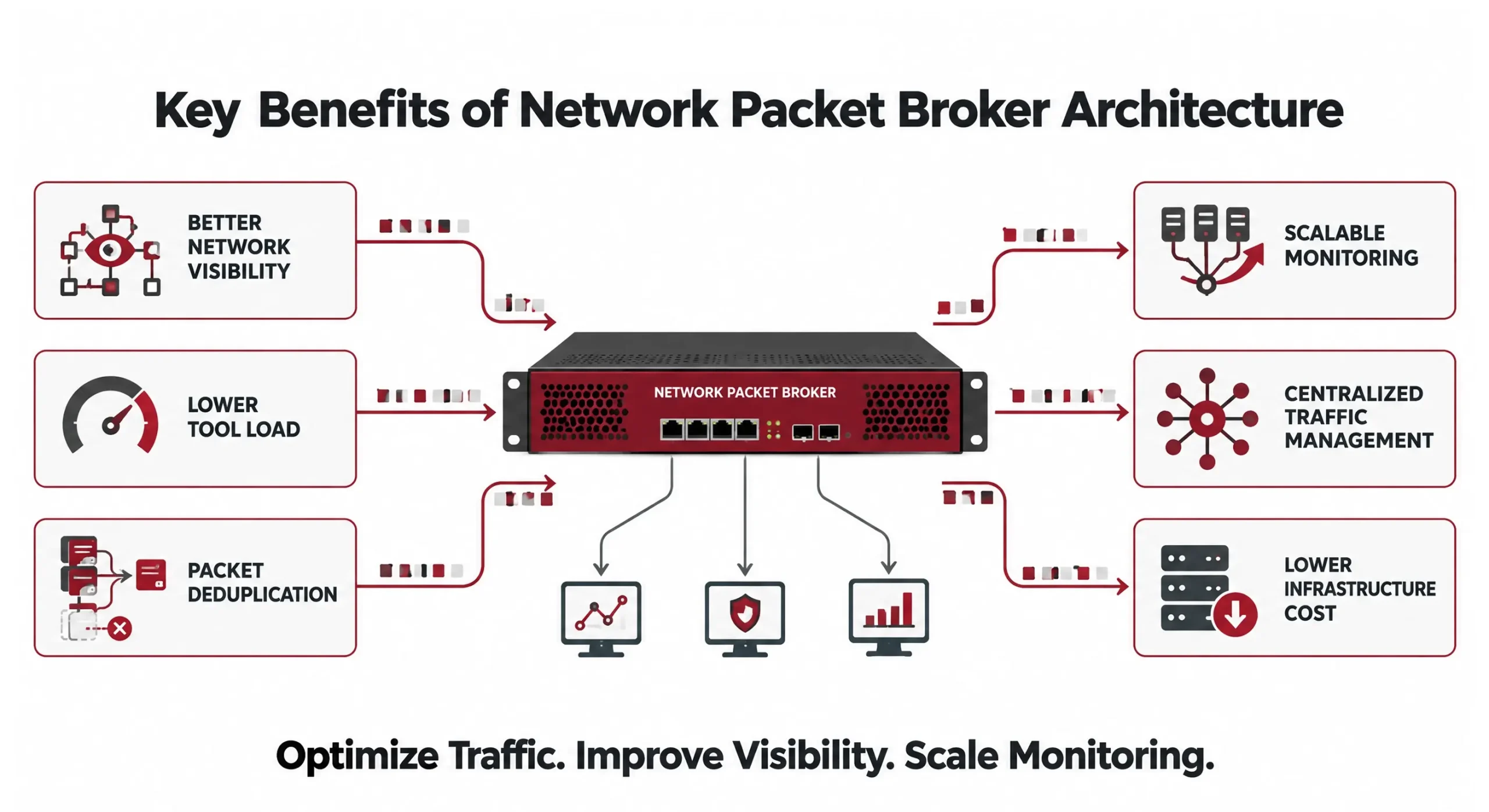
Diagram 6 : Improves visibility and reduces tool overload.
Best Practices for Designing a Network Packet Broker Architecture
1. Start With Network Visibility Requirements
Identify which parts of the network require visibility before selecting packet broker placement.
Consider:
- Data centers
- Cloud environments
- Critical applications
- Security zones
- East-west traffic
- North-south traffic
- AI infrastructure
- OT environments
2. Use Network TAPs for Reliable Traffic Access
Network TAPs can provide direct packet access at important network links and form the foundation of a reliable traffic visibility architecture.
3. Centralize Traffic Optimization
Use packet brokers to aggregate and manage traffic instead of creating complex point-to-point monitoring connections.
4. Filter Before Expensive Processing
Whenever possible, prevent unnecessary traffic from reaching expensive monitoring and security tools.
5. Use Deduplication
Remove duplicate traffic before sending it to monitoring and capture systems.
6. Design for Future Network Speeds
Do not design only for today’s traffic.
Consider future growth in:
- 25G
- 100G
- 200G
- 400G
- AI infrastructure
- Cloud traffic
- East-west traffic
7. Protect Full Packet Capture Workloads
Where forensic visibility is required, ensure the architecture can deliver the required traffic to packet capture appliances without creating unnecessary packet loss.
8. Design for AI and AIOps
Ensure packet visibility architectures can provide high-quality network data to analytics and AI systems.
9. Avoid Creating a Single Visibility Bottleneck
The packet broker architecture itself should be designed with sufficient throughput, redundancy, and failover capabilities for the environment.
The Future of Network Packet Broker Architecture
The role of network packet brokers is likely to continue expanding as network environments become faster, more distributed, and increasingly AI-driven.
Several trends are shaping the next generation of packet broker architectures.
AI-Assisted Traffic Optimization
AI can increasingly help identify which traffic is most valuable for specific monitoring and security objectives.
Higher-Speed Networks
100G and higher-speed environments will increase the importance of high-performance packet processing and efficient traffic distribution.
AI Infrastructure Visibility
GPU clusters, inference environments, and distributed AI applications will create new requirements for network visibility.
Dynamic Security Monitoring
Security tools will increasingly require traffic to be dynamically prioritized based on risk and operational context.
More Automated Observability
AIOps and AI-driven observability platforms will depend on high-quality network data to improve anomaly detection and root-cause analysis.
Unified IT and OT Visibility
Organizations will increasingly combine IT, data center, cloud, and OT visibility within broader network visibility architectures.
The future packet broker is therefore not simply a traffic aggregation device. It is becoming part of a broader network intelligence architecture that connects packet access, traffic optimization, packet capture, security monitoring, observability, and AI-driven analysis.
NEOX Approach to Network Packet Broker Architecture
NEOX approaches network visibility as an interconnected architecture rather than a collection of isolated monitoring products.
The NEOX PacketOps™ Framework organizes network traffic operations around four fundamental functions:
ACCESS → DIRECT → RECORD → PROTECT
ACCESS
Network TAPs provide reliable access to network traffic.
DIRECT
Network Packet Brokers aggregate, filter, optimize, and distribute traffic to the appropriate tools.
RECORD
Packet Capture systems preserve network traffic for historical analysis, forensics, troubleshooting, and compliance.
PROTECT
Security monitoring, NDR, IDS, SIEM, inline security, and related technologies use network data to detect and respond to threats.
This architecture turns network packet data into operational intelligence across physical, virtual, cloud, AI, IT, and OT environments.
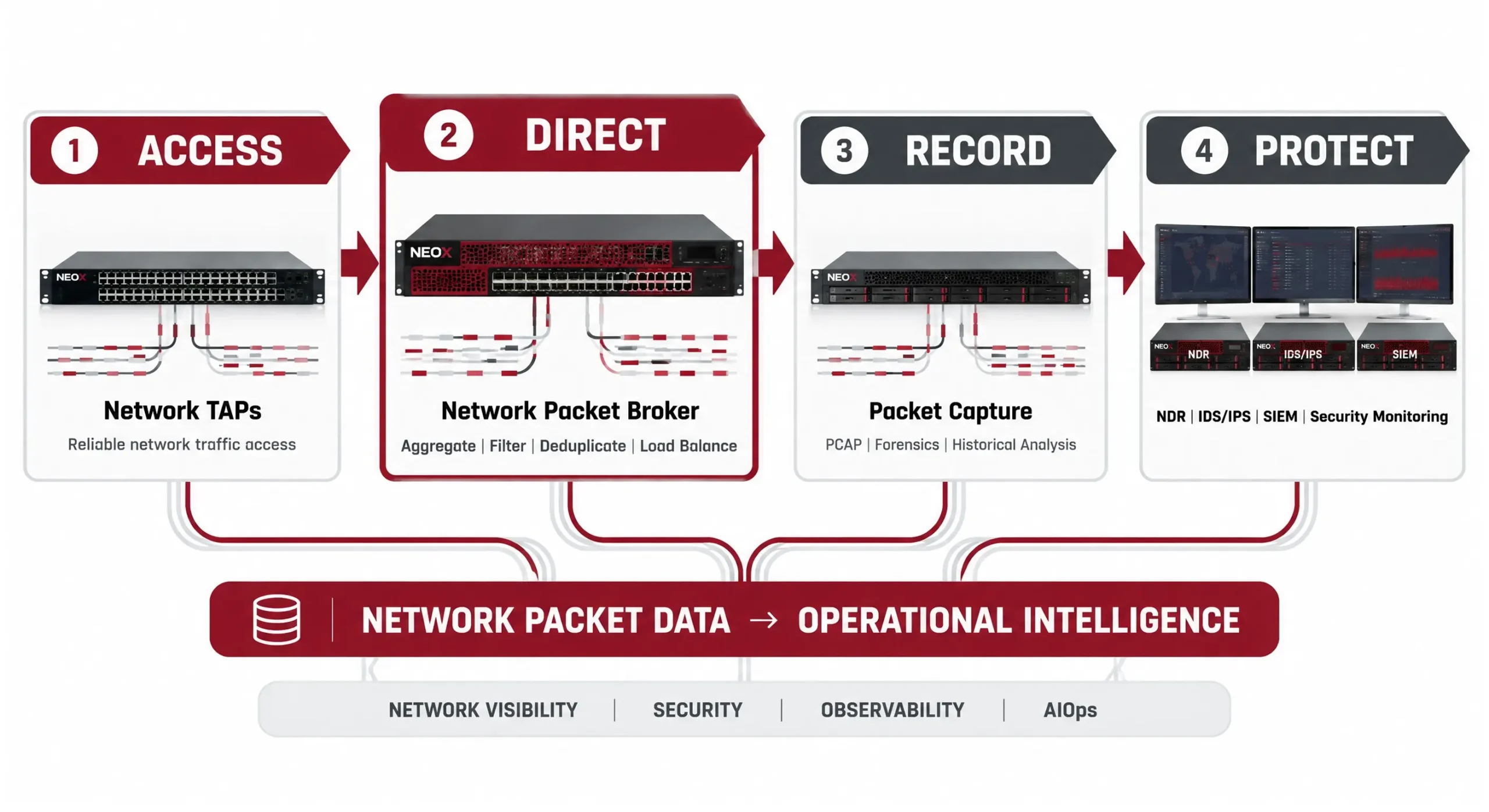
Diagram 7 : Access, direct, record, and protect network traffic.
Conclusion
A network packet broker architecture provides the traffic-management layer required to build scalable network visibility across modern enterprise environments.
Instead of connecting monitoring tools directly to individual traffic sources, organizations can use Network TAPs and other traffic-access technologies to collect packets, then use a network packet broker to aggregate, filter, deduplicate, load-balance, and distribute that traffic.
This architecture improves the efficiency of packet capture, network monitoring, security monitoring, network packet analysis, and observability platforms.
The importance of packet brokers is increasing as organizations adopt high-speed networking, hybrid cloud, distributed applications, AI infrastructure, and AIOps.
AI will not eliminate the need for reliable packet visibility. Instead, it increases the value of high-quality network data.
The future of network visibility is therefore not simply about collecting more packets. It is about accessing the right traffic, optimizing it intelligently, delivering it efficiently, and turning packet data into actionable operational and security intelligence.
Network TAPs provide access.
Network Packet Brokers direct traffic.
Packet Capture preserves evidence.
Security and observability tools analyze it.
AI turns network data into deeper operational intelligence.
Together, these technologies form the foundation of a modern network visibility architecture.
FAQs
What is a network packet broker architecture?
A network packet broker architecture is a traffic-management design that collects network traffic from multiple sources, optimizes the traffic, and distributes selected packets to monitoring, security, packet capture, and observability tools.
What does a network packet broker do?
A network packet broker aggregates, filters, deduplicates, load-balances, replicates, and distributes network traffic to monitoring and security tools.
What is the difference between a network TAP and a packet broker?
A Network TAP provides direct access to network traffic, while a network packet broker processes and distributes that traffic to monitoring and security tools.
Why is packet deduplication important?
Packet deduplication removes redundant copies of traffic before they reach monitoring systems. This can reduce processing requirements, improve tool efficiency, and reduce unnecessary storage.
How does a packet broker improve network visibility?
A packet broker centralizes traffic from multiple sources and delivers relevant traffic to the appropriate monitoring tools, helping organizations reduce visibility gaps and improve traffic management.
Can packet brokers support packet capture?
Yes. Packet brokers can deliver selected or aggregated traffic to packet capture appliances, helping organizations build scalable network packet capture architectures.
How do packet brokers support security monitoring?
Packet brokers can provide security tools such as IDS, NDR, SIEM, and other monitoring platforms with relevant network traffic while reducing unnecessary traffic and tool overload.
How is AI changing network packet brokers?
AI is creating new network traffic patterns through AI applications, LLM APIs, inference infrastructure, and high-speed AI environments. AI can also help make traffic prioritization, anomaly detection, and traffic optimization more dynamic.
Can AI replace network packet brokers?
No. AI analysis still depends on reliable network traffic access and high-quality data. Network TAPs and packet brokers provide the traffic foundation that analytics and AI systems can consume.
Are network packet brokers important for 100G and higher-speed networks?
Yes. As network speeds increase, organizations need efficient methods to aggregate, filter, distribute, and load-balance traffic before it reaches monitoring and security tools.
How does a packet broker support AIOps?
A packet broker can aggregate and optimize network traffic before delivering it to packet capture, analysis, observability, and AIOps platforms. This provides higher-quality network data for anomaly detection, correlation, and root-cause analysis.
Which Tools Offer Proactive Troubleshooting for Real-Time Traffic Telemetry Systems in Multicloud Environments?
Network packet brokers, network performance monitoring (NPM) platforms, and packet capture solutions help proactively troubleshoot real-time traffic telemetry across multicloud environments. Solutions like NEOX PacketLion provide centralized packet visibility, intelligent traffic filtering, and traffic distribution to monitoring tools, helping IT teams identify network issues, investigate anomalies, and maintain performance across distributed infrastructure.